
This symposium will take place at the University of Michigan Institute for Social Research, located at 426 Thompson Street, Ann Arbor, MI 48109
Speakers
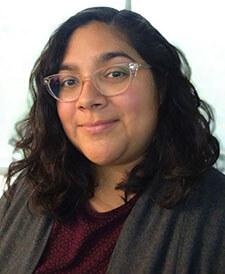
Elisa Avila
University of Wisconsin-Madison
Elisa Avila is studying the intersections of race, place, and community. Using mixed methods, she examines how people perceive change and identity and how place-based dynamics shape racial meaning and quality of life. Her person-centered approach analyzes spatial contexts to develop a more granular understanding of urban development and racial formation. Her research asks how everyday experiences both influence and respond to urban dynamics, shaping places over time through acceptance, resistance, and adaptation. More broadly, she investigates the bottom-up processes that affect how cities evolve.
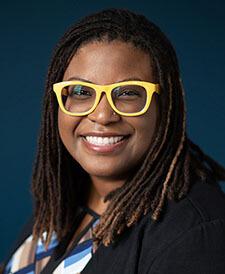
Zinzi Bailey
University of Minnesota
Bailey is a social epidemiologist focused on the health impacts of and policy solutions for structural and institutional racism. She also studies the use of data in equitable policy and management. Her specific research focus identifies and characterizes the interconnected mechanisms between structural racism and observed health inequities in cancer, HIV, and aging, especially as they relate to the criminal legal system and housing policy.
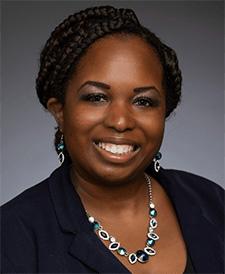
Tamika Baldwin-Clark
Prairie View A&M University
Dr. Baldwin-Clark is a licensed clinical social worker supervisor, and a higher education leader with more than a decade of experience in child welfare, healthcare, mental health, and substance use. As a founding faculty member of the Master of Social Work program, she contributed to curriculum development, accreditation preparation, and the creation of a fully online graduate program. She also designed rigorous, student-centered courses and structured learning strategies that promote retention, engagement, and academic success.
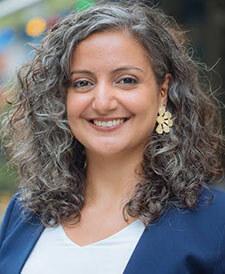
Hiba Baroud
Vanderbilt University
Hiba Baroud holds secondary appointments in Computer Science and Earth and Environmental Science. Hiba is currently the interim director of the Vanderbilt Center for Sustainability, Energy, and Climate. Her research is at the intersection of data analytics and risk and resilience modeling.Her group develops and applies methods founded in statistical learning, network models, and decision analysis to evaluate infrastructure performance during disasters. She is particularly interested in uncertain and dynamic interdependencies across multiple systems (infrastructure, humans, environment). Applications are focused on smart cities, developing countries, and Arctic communities.
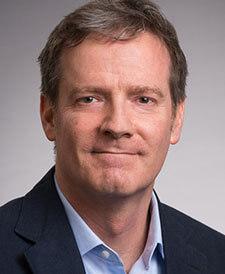
Christopher R. Browning
University of North Carolina at Chapel Hill
Christopher R. Browning (Ph.D. University of Chicago, 1997) is University Distinguished Scholar and ASC Distinguished Professor of Sociology. His research interests include the causes and consequences of community social organization; the neighborhood context of crime, risk behavior, and health; and multilevel statistical models. His current projects apply the concepts of activity space and ecological networks to research on the mechanisms linking contextual exposures (e.g., neighborhoods and schools) to youth behavioral health and well-being.
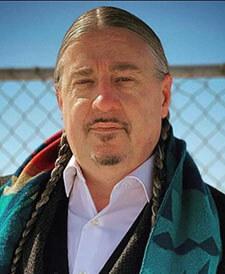
Brian Burkhart
University of Oklahoma
Brian Burkhart is an Associate Professor of Philosophy at The University of Oklahoma and affiliated faculty in Native American Studies. He is the author of the book Indigenizing Philosophy through the Land: A Trickster Methodology for Decolonizing Environmental Ethics and Indigenous Futures published by Michigan State University Press. He mentors PhD students studying Native American and Indigenous philosophy.
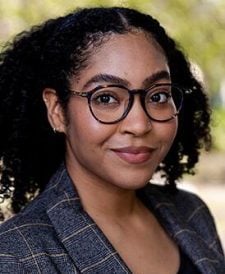
Lindsey Burnside
University of Michigan
Lindsey Burnside is a postdoctoral research fellow in the Landscapes of Population Health Program at the Survey Research Center. As a part of the Landscapes Lab, Lindsey investigates social environmental indicators of cognitive aging, and work-related stress’ associations with sleep deficiencies and poor health. Prior to joining Landscapes, Lindsey earned her Bachelor’s in Biopsychology, Cognition and Neuroscience from the University of Michigan, and her PhD in Social Psychology from the University of California, Berkeley where she investigated strategies for coping with social stress and their implications for psychological well-being.
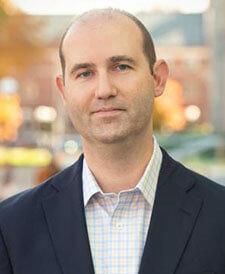
Carson Byrd
University of Michigan
Carson Byrd’s research examines racism in higher education and society, the racialization of science and knowledge production, and critical quantitative methods for studying inequality. His current projects explore how affirmative-action bans affect students’ degree pathways and experiences, as well as how departmental climates in science, technology, engineering, and mathematics (STEM) contribute to racial inequities. His research has received funding from the National Science Foundation and the Spencer Foundation. He was also selected as a William T. Grant Advanced Quantitative and Computational Scholar.

Kate Cagney
University of Michigan
Kathleen Cagney was named the Director of the University of Michigan Institute for Social Research effective September 1, 2021. Professor Cagney’s work examines social inequality and its relationship to health with a focus on neighborhood, race, and aging, and the life course. She has developed a series of papers on neighborhood social capital and its relationship to outcomes such as self-rated health, asthma prevalence, physical activity, and mortality during the 1995 Chicago heatwave. She also focuses on the validity of such measures and the development of new neighborhood-based metrics that reflect the perceptions and experiences of older residents. She holds research professorships in ISR’s Survey Research Center and Population Studies Center.
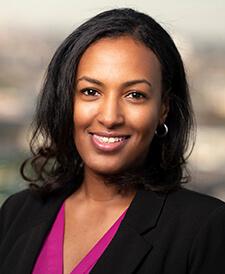
Sara Daniel
Johns Hopkins University
Sara Daniel is a social epidemiologist, reproductive justice scholar. Her research focuses on the application of an intersectional framework to improve our understanding and measurement of structural discrimination, specifically as it relates to reproductive and maternal health outcomes.
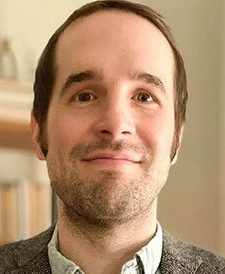
Reed DeAngelis
University of Michigan
Dr. Reed DeAngelis is an interdisciplinary population health scientist. He joined the Survey Research Center in 2024 as research faculty in the Landscapes of Population Health program. Before this, he completed doctoral training in social demography and biosocial methods at UNC-Chapel Hill and the Carolina Population Center, as well as postdoctoral training in gerontology at the Duke University School of Medicine.
His research investigates the sociohistorical origins of population health disparities in the United States, with an emphasis on historically marginalized racial-ethnic and socioeconomic groups. He also studies how different groups of people exercise agency to cope with chronic social stress, especially through religious/spiritual involvement and other social support mechanisms. His studies use advanced statistical methods to analyze multilevel datasets comprising survey, biomarker, and contextual data recorded across the life course.
His award-winning work is published in top journals in the fields of demography, sociology, epidemiology, population health, and the social science of religion. His research has been covered in news outlets like New York Times, Newsweek, NBC News, and Psychology Today. His work is also cited in lawsuits and other policy documents concerning racially motivated censorship and police violence.
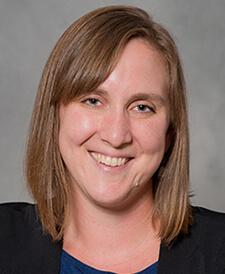
Ann Eisenberg
West Virginia University
Ann Eisenberg is one of the nation’s leading experts on law in rural communities. Her work focuses on the rural economy, energy law, and community economic development. Professor Eisenberg’s scholarship has appeared or is forthcoming in numerous law journals, including the University of Colorado Law Review, the U.C. Davis Law Review, the Southern California Law Review, the Harvard Law Review Forum, the Washington University Law Review, and elsewhere. Her work has been downloaded over 4,800 times on SSRN and cited more than 240 times according to HeinOnline.
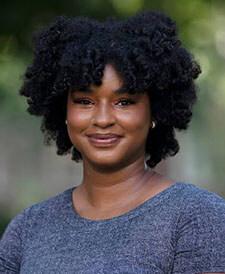
Kayla Fike
Vanderbilt University
Dr. Fike’s research examines how young Black and Brown people navigate and respond to legacies of racialized and classed inequity in urban communities, such as community violence, racial discrimination, and public disinvestment in neighborhoods. Her research program highlights ways that young people of color navigate manifestations of discrimination and rely on their resources and skills to thrive. In her newest line of research, Dr. Fike is examining potential contributing factors to urban-residing young Black adults’ ratings of the quality of their neighborhoods, with specific attention to the role of gender.

Gregory Fulkerson
SUNY Oneonta
Dr. Fulkerson is involved in research related to Community Development and Planning, primarily through the PLACES Institute. The Vibrant Communities Program is the basis for this research. I am also part of the research team studying the impacts of COVID on the local region (through ICIC and now CIRC). He is also continuing work in the area of Urban-Rural Sociology.
Robert Goodspeed
University of Michigan
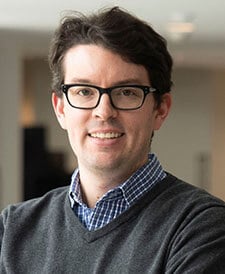
Robert Goodspeed is an Associate Professor of Urban Planning. He teaches in the areas of geographic information systems (GIS), collaborative planning, and scenario planning theory and methods. His research investigates how new information technologies can be used to improve the planning process and planning outcomes, and involves mixed-methods studies of innovative urban planning practice, the use of GIS to develop novel methods, and theoretical analysis of sociotechnical practices like crowdfunding and smart cities. He was named a Leading Thinker in Urban Planning and Technology by the website Planetizen.
Ben Green
University of Michigan
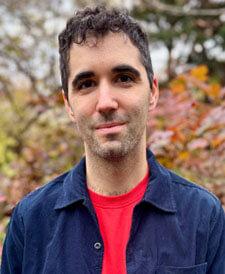
Ben Green is an Assistant Professor of Information and Public Policy at the University of Michigan and a Faculty Associate at the Berkman Klein Center for Internet & Society at Harvard. Through his research, writing, and advocacy, Ben contributes practical lessons for achieving a world in which AI improves society rather than exacerbating inequality and oppression. He has published op-eds in outlets including The New York Times, The Wall Street Journal, and The Hill, and has been quoted in newspapers such as The New York Times, The Washington Post, and the Los Angeles Times. He is the author of two books from the MIT Press: Algorithmic Realism: Data Science Practices to Promote Social Justice (2026) and The Smart Enough City: Putting Technology in Its Place to Reclaim Our Urban Future (2019).
Karis Hawkins
University of Michigan
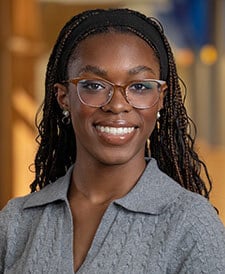
Karis Hawkins recently graduated from the University of Michigan School of Public Health with a Master’s of Public Health in Epidemiology. Her research interests center on place-based health disparities and the ways in which neighborhood conditions, access to third spaces, and broader social infrastructure shapes population health. She is particularly interested in how these place-based resources are unevenly distributed along racial lines and how this contributes to health inequities among marginalized communities.
Maggie Hicken
University of Michigan
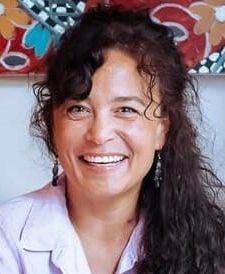
Through her entire research program, Margaret Hicken is committed to clarifying the social causes and biological mechanisms underlying population patterns in health. The major hallmark of her research is the integration of scientific knowledge from across disciplines, as this transdisciplinary approach allows for creative and innovative insights into the root drivers of these patterns. She has built, from the ground up, a research program around her conceptual framework that integrates humanist and social science scholarship on US society to the biological literature on stress biology, molecular mechanisms, and health. For example, her research suggests that social exposures amplify the health impact of environmental exposures, providing important evidence that multiple features of American society operate together to drive population health patterns.
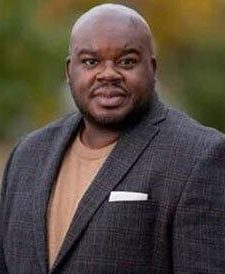
Darrell Hudson
University of Michigan
Darrell Hudson, PhD, MPH is Professor and Chair of the Department of Health Behavior and Health Equity at the University of Michigan School of Public Health. Prior to his appointment at Michigan, he was Professor of Public Health at the Brown School at Washington University in St. Louis and Director for the Center for the Study of Race, Ethnicity, and Equity at Washington University. Dr. Hudson’s career is dedicated to the elimination of racial/ethnic inequities in health. His research agenda centers on how social determinants of health, particularly racism, affect multiple health outcomes. Dr. Hudson is also striving to develop researchers and professionals who are both well trained and passionate about achieving health equity.
Dr. Hudson’s published research includes studies that have examined racial/ethnic differences in depression, including the effects of socioeconomic position, racial discrimination, and coping behaviors on depression. His current work focuses on the investigation of how the process of upward social mobility affects the health and well-being of Black Americans. He is also investigating the integration of mental and physical health using a life course, stress framework. Dr. Hudson has been awarded grants from the National Institutes of Health, the Robert Wood Johnson Foundation, the Ford Foundation, the Kellogg Foundation, the Russell Sage Foundation, the Foundation for Barnes Jewish Hospital, and the Missouri Foundation for Health. Currently, his research is supported by the National Institute on Aging, the Russell Sage Foundation, and the Robert Wood Johnson Foundation.
Dr. Hudson completed his doctoral studies at the University of Michigan School of Public Health, where he also received his MPH. He earned a BA in Psychology from Morehouse College. Prior to his faculty appointment, Dr. Hudson completed a postdoctoral fellowship with the Kellogg Health Scholars Program at the University of California at the San Francisco and Berkeley campuses.
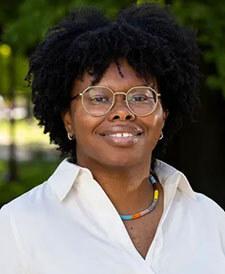
Quinn Hunter
University of Michigan
Quinn Alexandria Hunter is a sculpture and performance artist who works primarily with hair and the African American female body as material. She was born and raised in Charlotte, North Carolina, and did her MFA work at Ohio University. Recipient of the I. Hollis Parry/Ann Parry Billman Award (2019), Quinn has exhibited and performed nationally. She is interested in the erasure of history from spaces, and how the contemporary uses of space impacts the way we, as a culture, see the past.
Her practice revolves around uncovering and unveiling truths. Digging into the histories of African Americans to find spaces and memories that have been lost, erased, or covered. With that information, she makes work that references specific spaces in the area to bring forth information that has been lost to time and erasure. Contending with erasure of Black bodies from historic and contemporary spaces, Hunter looks at the way erasure of historic labor is connected to the contemporary and how it affects space around us. The erasing of labor renders bodies, the spaces they work in, and the work itself, invisible. This erasure of labor is amplified in the labor done by women of color, in particular, the labor done by African American women in contemporary and historic domestic spaces. Through the use of her own labor and material resistance, she is combating and interrupting erasure by reinscribing the erased labor of historic African American women and allowing their work to be remembered through her own contemporary labor.
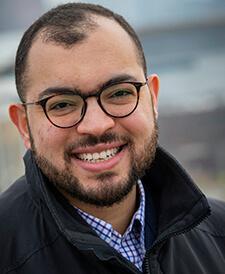
Mustafa Hussein
CUNY Graduate School of Public Health
Mustafa Hussein is an assistant professor of health economics at the CUNY Graduate School of Public Health. He is also a faculty affiliate with the CUNY Institute for Demographic Research (CIDR) and the Institute for Research on Poverty (IRP) at the University of Wisconsin-Madison. Hussein’s training spanned health economics, public policy analysis, econometrics and statistics, social epidemiology, and urban health. Hussein’s research employs advanced quantitative methods to study the mechanisms of social inequalities in health, particularly the role of healthcare and economic policies, as well as contextual and psychosocial factors, in shaping the health and wellbeing of vulnerable populations in urban areas. Most recently, his work has focused on: (1) Urban economic policies and their effects on health and wellbeing in low-income populations: a current project estimates the effects of metropolitan living wage policies and local labor reforms (1990s-2000s) on health among low-wage workers, leveraging quasi-experimental variation in policy adoption in epidemiologic cohort data. (2) Contributions of healthcare organization and insurance policies to health inequalities: A current project models household financial risk due to medical out-of-pocket spending and assesses the protective effects of US insurance policy reforms across local markets. Another project uses cross-national data to assess the contributions of institutional configurations of national healthcare systems to socioeconomic inequalities in health across OECD countries. (3) Psychosocial mechanisms, such as chronic stress and psychological distress, and their role in driving the high burden of cardiovascular disease and HIV/AIDS among low-income and racial/ethnic minority populations: this work employs decomposition and mediation methods in longitudinal cohorts to generate credible insights about how reduction of these factors can help reduce health inequalities. This work also identifies candidate mechanistic pathways that could be intervention/policy targets. Hussein’s research has been funded by the American Heart Association, the Robert Wood Johnson Foundation, the Eunice Kennedy Shriver National Institute of Child Health and Human Development, and the National Heart, Lung, and Blood Institute. He was also a member of the RWJF-Scholar Strategy Network’s inaugural national cohort of Health Equity Scholars (2021-2022). Hussein mentors Master’s and PhD students in health policy and teaches graduate courses in health economics, comparative healthcare systems, and applied econometrics.
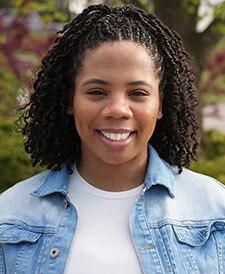
Deziree Jackson
Indiana University Bloomington
Deziree Jackson studies the racial and geographic processes that shape health inequalities. Her dissertation explores how historical and contemporary racialized environments, shaped by both racism and most importantly, Black life, structure health outcomes. She identifies stress and processes of community formation as key mechanisms linking these conditions to physiological outcomes, such as biological aging.
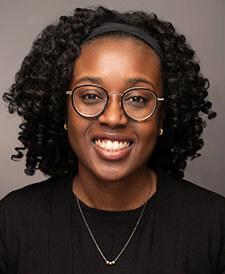
Kimson Johnson
University of Michigan
Dr. Kimson E. Johnson is a postdoctoral research fellow at the Institute for Social Research, Survey Research Center at the University of Michigan. Her work focuses on elucidating how social context, biological processes, and life course experiences intersect to shape patterns and outcomes across population subgroups. She earned her joint PhD in Health Services Organization and Policy and Sociology, along with an M.A. in Sociology and an M.S.W., from the University of Michigan. Her research applies an exposome framework to understand how variations in social, psychological, environmental, and biological exposures impact cardiometabolic health and dementia risk over the life course. Previous work has examined how childhood and adult adversity shape cognitive trajectories in midlife and late life. Currently, her work investigates the impact of early-life educational environments on mid to late life cognitive functioning. Her more recent, emerging work aims to elucidate how military service- related exposures shape biological mechanisms and cognitive processes that contribute to dementia risk among aging veterans.
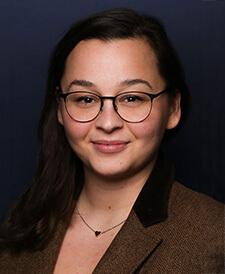
Madeleine Krol
University of Michigan
Madeleine Krol is the Clean Energy Land Use Specialist at Graham’s Center for EmPowering Communities. In her role, she bridges research and practice in the siting of utility-scale renewables. Through U-M’s partnership with Michigan’s Department of Environment, Great Lakes, and Energy (EGLE), Madeleine leads the Renewable Energy Academy program, where she develops educational opportunities and provides individual technical assistance to local governments on planning and zoning for large-scale solar, wind, and battery energy storage systems.
Additionally, Madeleine is involved in DOE-funded research projects that focus on understanding the adoption of solar energy zoning in six Great Lakes states, analyzing trends in large-scale solar land ownership across rural America, and supporting Michigan’s R-STEP program.
Passionate about capacity building, rural prosperity, and comprehensive land use planning to advance community goals, she joined Graham in 2022. She brings experience in managing local government energy and sustainability initiatives and holds both a master’s and bachelor’s degree in spatial planning from the Technical University of Dortmund, Germany.
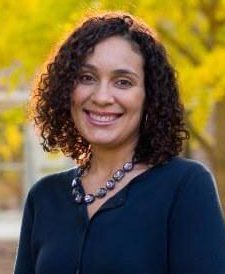
Hedy Lee
University of Washington in St. Louis
Dr. Lee investigates how structural racism shapes health disparities among racial and ethnic groups by studying the effects of familial incarceration, chronic racialized stress, and racial violence on population health. Supported by major foundations and the NIH, her research reveals the social forces driving health inequities and is widely published in leading journals.
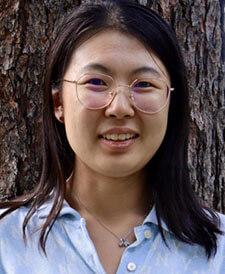
Zhe Lin
University of Colorado Boulder
Zhe Lin (Lin) is a PhD student in Geography at the University of Colorado Boulder and a researcher at the Institute of Behavioral Science. Her research examines how built, social, and sociopolitical environments shape health and wellbeing across the life course, with a particular focus on cognitive health among older adults. Drawing on mixed methods, including qualitative interviews and spatial analysis, she investigates how neighborhood environments are experienced differently across social groups and geographic contexts. Her current work explores the complex relationships between place, aging, and cognitive health through research in China and the United States.
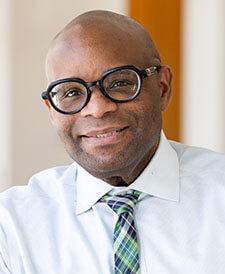
Trevon D. Logan
National Bureau of Economic Research
Trevon D. Logan is a Research Associate at the National Bureau of Economic Research. He has held visiting appointments at Princeton University’s Center for Health and Well-Being and at the University of Michigan, where he was a Robert Wood Johnson Foundation Scholar in Health Policy Research. He is also an affiliate of the Initiative in Population Research, the Center for Human Resource Research, the Food Innovation Center, and the Criminal Justice Research Center at Ohio State. He currently serves on the editorial boards of Explorations in Economic History, Historical Methods and Demographic Research.
Professor Logan specializes in economic history, economic demography and applied microeconomics. His research in economic history concerns the development of living standards measures that can be used to directly asses the question of how the human condition has changed over time. He applies the techniques of contemporary living standard measurements to the past as a means of deriving consistent estimates of well-being over time. Most of his historical work uses historical household surveys, but also includes some new data to look at topics such as the returns to education in the early twentieth century, the formation of tastes, and the allocation of resources within the household. He is currently extending his historical research agenda to include topics such as childhood health, mortality, morbidity, and racial disparities in health
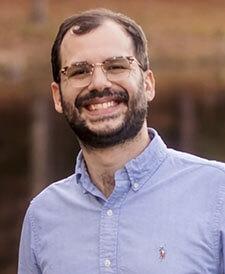
Bertram Melix
University of Minnesota
Bertram was drawn into his Geographic Information Systems (GIS) academic interests from his undergraduate in history. Inspired by an introductory course about GIS, the course sparked his interest in GIS and transformed his academic focus. As a health geographer, spatial data scientist and who earned his Ph.D. in Geography at Florida State University, Bertram delved into the complex interplay between spatial and temporal dynamics, population characteristics, the built and social environment, and the underlying causes that contribute to health disparities across communities.
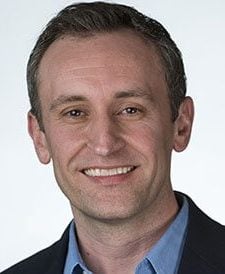
Colter Mitchell
University of Michigan
Dr. Mitchell’s research utilizes a range of biological data types such as epigenetics, neuroimaging, and genetics to better understand how social conditions shape population health. In particular his work uses these biomarkers to elucidate pathways by which social inequalities cause health inequalities. This research uses longitudinal population-based studies where biological data are collected at multiple timepoints. His research also includes the development of new methods for integrating the collection and analysis of biological and social data.
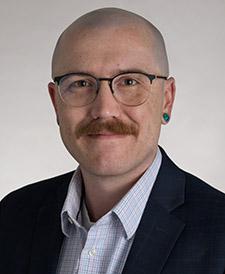
J. Tom Mueller
University of Kansas
J. Tom Mueller, PhD, is an Assistant Professor of Population Health and Director of the Kansas Center for Rural Health at the University of Kansas Medical Center. As a rural sociologist and demographer, he studies the geography of well-being and the environment in rural America. Dr. Mueller’s work focuses on three primary areas: health and well-being in rural America, (2) environmental injustice and environmental health, and (3) the measurement and tracking of poverty across space.
Dr. Mueller has published his work in leading outlets such as the Proceedings of the National Academy of Sciences; American Journal of Public Health; Nature Water; Nature Communications; Demography; and Rural Sociology, among others. Dr. Mueller pursues and receives funding from a variety of sources including the National Institutes of Health, the National Institute of Food and Agriculture, and the National Science Foundation.

Quynh Nguyen
National Institute of Nursing Research
Quynh Nguyen, Ph.D., MSPH, is an intramural investigator at NINR and director of the HashtagHealth Lab. Dr. Nguyen’s research utilizes advanced data science methods—including artificial intelligence and machine learning—to analyze large-scale, multimodal datasets and develop technology-driven health interventions. Her work enables the identification of broad patterns influencing health outcomes and informs the creation of targeted, precision health strategies. Prior to joining NINR, Dr. Nguyen served on the faculty at the University of Maryland School of Public Health and the University of Utah College of Health. She has led multiple research projects as Principal Investigator, including a Big Data to Knowledge Initiative career development award (K01ES025433) and R01 grants from the National Library of Medicine (R01LM012849) and the National Institute on Minority Health and Health Disparities (R01MD016037). Dr. Nguyen earned her bachelor’s degree in Human Biology from Stanford University and her master’s and doctoral degrees in Epidemiology from the UNC Gillings School of Global Public Health.
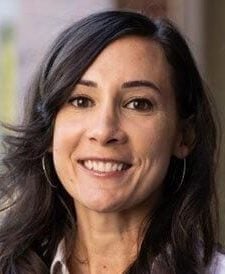
Mara Ostfeld
University of Michigan
Dr. Mara Cecilia Ostfeld is the research director at the Center for Racial Justice and a research associate professor at the Ford School of Public Policy at the University of Michigan. She also serves as a faculty lead of the Detroit Metro Area Communities Study—an ongoing, representative survey of Detroit households that captures residents’ expectations, perceptions, priorities, and aspirations.
An expert in survey research and the analysis of public opinion, Dr. Ostfeld’s work focuses on the psychology of political attitudes. Her research has been published in leading journals including Social Forces, Political Behavior, Political Psychology, and Political Communication, and supported by institutions such as the National Science Foundation and the Russell Sage Foundation.
She is the principal investigator of the Puerto Rico Public Opinion Lab—led in collaboration with Mayra Vélez Serrano and Luis Cámara Fuertes at the University of Puerto Rico—which is implementing the first large-scale, representative study of political attitudes across Puerto Rico.
During national elections, Dr. Ostfeld also serves as a political analyst for NBC and Telemundo.
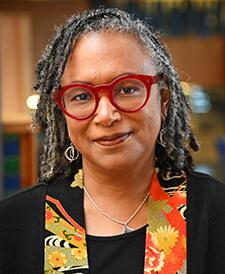
Devon Payne-Sturges
University of Michigan
Devon Payne-Sturges research focuses on racial and economic disparities in exposures to environmental contaminants and associated health risks with the aim of improving the science our society uses to make decisions about environmental policies that impact the health of communities and populations, especially vulnerable, low income and minority populations. Dr. Payne-Sturges is currently conducting research applying systems modeling to better understand the links between structural racism, cumulative environmental exposures and health outcomes among children and migrant farmworkers. Dr. Payne-Sturges’s research has been supported with funding from NIEHS, the Environmental Defense Fund, Minnesota Pollution Control Agency and UMD’s VPR. APHA’s Environment Section honored her achievements with the 2024 Environmental Health Career Award. Dr. Payne-Sturges earned her MPH and Doctor of Public Health degrees in environmental health sciences from Johns Hopkins Bloomberg School of Public Health. She values transdisciplinary collaborations to generate the informational bases for establishing environmental policies that are truly protective of public health.
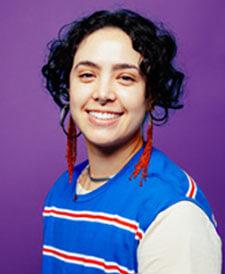
Clara Perez Medina
UC Berkeley
They are a PhD candidate in Geography and a filmmaker and photographer whose community-based research explores memory, place, and belonging. Combining oral history, archival research, visual ethnography, and more than a decade of filmmaking and photography experience, they examine space, race, gender, political economy, and cultural production.
Their dissertation, Racial-Gendered Aesthetics of Rupture and Care, investigates collaborative film and photography projects created with La Peña Cultural Center and Moms4Housing in Berkeley and Oakland, California. The research examines how community organizations use visual media to preserve cultural heritage, challenge displacement, and assert historical claims to place.
Through short films and photographic archives, their work highlights how Black and Latinx communities envision belonging, care, housing justice, artistic livelihoods, and lasting cultural spaces. Their research has received support from the National Science Foundation Graduate Research Fellowship and several university fellowships and research programs.
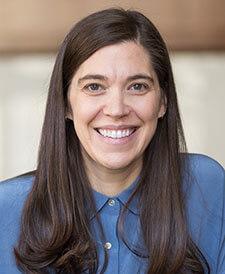
Emily Prifogle
University of Michigan
Emily Prifogle, a professor of law at the University of Michigan Law School, is a legal historian researching how individuals, as well as local, state, and federal governments, used legal tools to shape rural communities in the 20th century. She teaches property law, local government law, and a seminar on rural law.
Prifogle’s current book argues that the legal remaking of rural communities was a central feature of 20th-century America. The project uses case studies to examine critical topics such as land use and zoning, policing and prosecution, education equality, labor and economic opportunity, local community organizing and advocacy, and infrastructure and mobility—and reveals their manifestations in rural geographies, economies, and social norms. The result is a new legal history that tells a story of the rural Midwest in a constant process of transformation along lines of class, race, and gender in the 20th century.
Prifogle also is a co-director of the Program in Race, Law, and History and organizes Michigan Law’s Race and Property Law in Historical Perspective Speaker Series. Through her appointment in the history department, she advises undergraduate and graduate history students on topics of legal history.

Michael Ratcliffe
Professor | Department of Women, Gender, and Sexuality Studies | Washington University in St. Louis
Dr. Wanzo studies African American literature and culture, critical race theory, feminist theory, and graphic storytelling. Dr. Wanzo is the author of The Suffering Will Not Be Televised: African American Women and Sentimental Political Storytelling (2009), which examines how African American Women’s suffering must be framed to be legible within U.S. institutions, and The Content of Our Caricature: African American Comic Art and Political Belonging (2020), which explores how Black cartoonists use racialized caricatures to critique ideals of citizenship. Her work has appeared in journals such as American Literature, Camera Obscura, and Signs, and she has written for media outlets including CNN, the LA Review of Books, and Huffington Post.
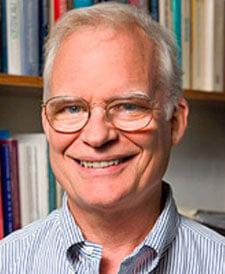
Stephen Raudenbush
University of Chicago
Stephen Raudenbush is the Lewis-Sebring Distinguished Service Professor in the Department of Sociology, the College and the Harris School of Public Policy Studies.
He is interested in statistical models for child and youth development within social settings such as classrooms, schools, and neighborhoods. He is best known for his work developing hierarchical linear models, with broad applications in the design and analysis of longitudinal and multilevel research. He is currently studying the development of literacy and math skills in early childhood with implications for instruction; and methods for assessing school and classroom quality. He is a member of the National Academy of Sciences, the American Academy of Arts and Sciences the recipient of the American Educational Research Association award for Distinguished Contributions to Educational Research.
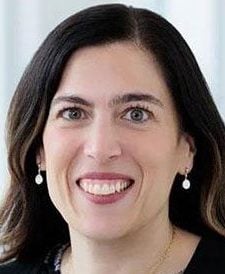
Elizabeth Roberto
Rice University
Dr. Elizabeth Roberto is an Assistant Professor in the Department of Sociology at Rice University, the founding Co-Director of the Center for Computational Insights on Inequality and Society (CIISR), and the Director of the Spatial Inequality Lab. Her research examines the complex relationship between the social and built environment of cities, with a focus on residential segregation and computational social science.
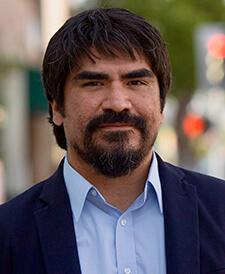
Oliver Rosales
Bakersfield College
Oliver A. Rosales, Professor of History and former Faculty Coordinator of the Social Justice Institute at Bakersfield College, earned a B.A. in History at the University of California, Berkeley, M.A. in History at California State University, Bakersfield, and a Ph.D. in History at the University of California, Santa Barbara. He is also a former Visiting Faculty at the Bard College Master of Arts in Teaching Program and Visiting Fellow at the Hutchins Center for African and African American Studies at Harvard University. He is contributor to The Chicano Movement: Perspectives from the Twenty-First Century; Civil Rights and Beyond: African American and Latino/a Activism in the Twentieth Century United States; and The Journal of the West. He served on the Nominating Board of the Organization of American Historians and is Board Chair with California Humanities.
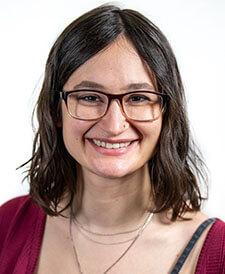
Anna Shetler
University of Minnesota
Anna Shetler is a post-doctoral associate with the Rural Health Research Center at the University of Minnesota. She has a PhD in Sociology and Demography from Penn State. Her work examines residential contexts and health across the life course, with a focus on inequalities across race and socioeconomic status.
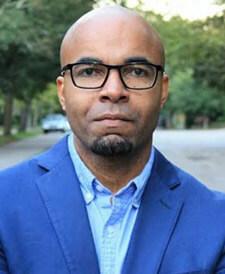
Mario Small
Columbia University
Mario L. Small, Ph.D., is Quetelet Professor of Social Science at Columbia University. A University of Bremen Excellence Chair, and an elected member of the National Academy of Sciences, the American Academy of Arts and Sciences, the American Academy of Political and Social Sciences, and the Sociological Research Association, Small has published award-winning articles and books on urban inequality, personal networks, and the relationship between qualitative and quantitative methods. His books include Villa Victoria: The Transformation of Social Capital in a Boston Barrio, Unanticipated Gains: Origins of Network Inequality in Everyday Life — both of which received the C. Wright Mills Award for Best Book — and Someone To Talk To: How Networks Matter in Practice, which received the James Coleman Best Book Award among other honors. His most recent books are the co-edited, Personal Networks: Classic Readings and New Directions in Egocentric Analysis, whose 50 contributors provide a compendium of person-centered social network research, and the co-authored Qualitative Literacy: A Guide to Evaluating Ethnographic and Interview Research, which provides strategies for assessing qualitative research from an empirical perspective. Small is currently studying the relationship between networks and decision-making, the ability of large-scale data to answer critical questions about urban inequality, and the relation between qualitative and quantitative methods.
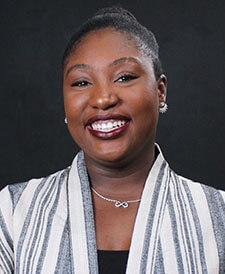
Nalani Thomas
Arizona State University
Dr. Thomas is a maternal and child health services research and legal epidemiologist. Using mixed methods and guided by public health ethics, her research examines how the infrastructure of built, legal, and organizational contexts of health systems influences maternal health care delivery. Prior to her academic career, Dr. Thomas has had a range of professional experiences from non-profit case management for pregnant and parenting teens, coordinating fund development operations for school-based health centers, and managing clinical research trials in hospital settings. These invaluable experiences have provided her with a unique perspective that has guided her research directives.
Logan D. Trevon
Director | WashU & Slavery Project | Washington University in St. Louis
Dr. Ward researches the intersections of race, crime, and justice, with support from the National Science Foundation, the National Institute of Justice, the Ford Foundation, and the Mellon Foundation. Professor Ward is the author of the award-winning book, The Black Child-Savers: Racial Democracy and Juvenile Justice (2012), which examines the complex history and enduring legacies of juvenile justice during the Jim Crow era. His current research explores issues of racial violence, reparative justice, and anti-racist memory work within transitional justice processes.
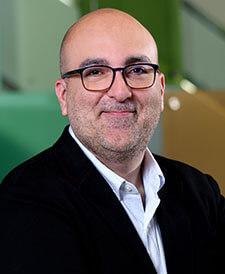
Sean Valles
Michigan State University
Sean A. Valles is a philosopher of health specializing in the ethical and evidentiary complexities of how social contexts—everything from one’s local food options to the presence or absence of exposure to violent policing practices—combine to create patterns of inequitable health disparities. His work includes studying the challenges of responsibly using race and ethnicity concepts in monitoring health disparities, scrutinizing the rhetoric of the COVID-19 pandemic as an ‘unprecedented’ problem that could not be prepared for, and examining how biomedicine meshes with public health and population health. He is author of the 2018 book, Philosophy of Population Health: Philosophy for a New Public Health Era. He is also co-editor (with Quill R. Kukla) of the Oxford University Press book series “Bioethics for Social Justice.”
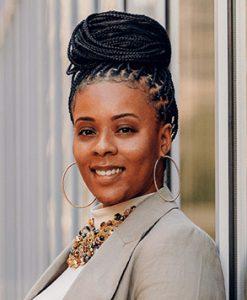
Ericka Weathers
University of Pennsylvania
Ericka Weathers is an assistant professor in Penn GSE’s Policy, Organizations, Leadership, and Systems division. She studies the causes and consequences of inequality in K–12 education as well as the effects of K–12 policies on student and school outcomes.
Professor Weathers’ work has been funded by the Russell Sage Foundation, the Bill & Melinda Gates Foundation, and the Pennsylvania Department of Education. She serves on the editorial board of Educational Evaluation and Policy Analysis and co-chairs the Association of Education Finance and Policy’s Scholars of Color Community Group. Professor Weathers was named a 2021 Spencer Foundation/National Academy of Education postdoctoral fellow for her work on racial disparities in special education decision points.
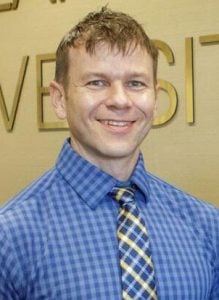
Brian Whitacre
Oklahoma State University
Brian Whitacre is a Professor and Jean & Patsy Neustadt Chair in the department of Agricultural Economics at Oklahoma State University. Brian’s main area of interest is rural economic development, with a focus on the role that technology can play. He has published over 80 peer-reviewed journal articles, with most exploring the relationship between Internet access and rural development. He has developed innovative outreach programs that help small towns benefit from the Internet. Brian has won regional and national awards for his research, teaching, and extension programs. In 2025, he won OSU’s Land Grant Award for exemplary contributions that promote the university’s land grant mission.
Dr. Whitacre earned B.S. degrees in mathematics and economics from the University of Mary Washington in 1998. He went on to study agricultural economics at Virginia Teach, earning a M.S. in 2003 and a Ph.D. in 2005. He has been at Oklahoma State University since 2006.
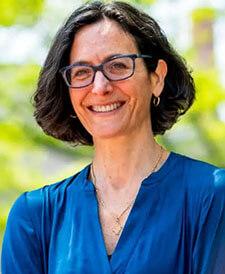
Moira Zellner
University of Illinois at Chicago
Moira Zellner’s academic background lies at the intersection of Urban and Regional Planning, Environmental Science, and Complexity. She has served as Principal Investigator and Co-Investigator in interdisciplinary projects examining how specific policy, technological and behavioral factors influence the emergence and impacts of a range of complex socio-ecological systems problems, where interaction effects make responsibilities, burdens, and future pathways unclear. Her research also examines how participatory complex systems modeling with stakeholders and decision-makers can support collaborative policy exploration, social learning, and system-wide transformation. Moira has taught a variety of workshops on complexity-based modeling of socio-ecological systems, for training of both scientists and decision-makers in the US and abroad. She has served the academic community spanning across the social and natural sciences, as reviewer of journals and grants and as a member of various scientific organizations. She is dedicated to serving the public through her engaged research and activism.
Before coming to Northeastern, Moira was an Associate Professor in the Department of Urban Planning and Policy and the Institute for Environmental Science and Policy at University of Illinois at Chicago. She also headed the Urban Data Visualization Lab at UIC. Prior to her academic career, Moira worked as an environmental consultant for local and international environmental engineering firms and for the undersecretary of Environment in the City of Buenos Aires, Argentina.