
Beautiful Minds Conference Mission
The University of Michigan’s Beautiful Minds Conference annually celebrates:
- Education and Awareness: Sharing insights to dismantle stereotypes and educate the community on neurodiversity.
- Empowerment and Inclusion: Providing resources to create empowering and inclusive environments for neurodiverse individuals.
- Collaboration and Innovation: Promoting teamwork to drive innovation and support neurodiverse communities.
- Community Building: Ensuring networking opportunities and fostering sustainable relationships to build a support for neurodiverse communities.
Through these efforts, we aim to educate, inspire, and empower everyone to celebrate their unique minds.
Our story
The Beautiful Minds Conference grew out of a conversation between 3 colleagues who are each touched by neurodiversity in very different ways. As conversations took root, and other colleagues began to share stories, we realized we had an opportunity to use our voices and platforms to advocate for awareness.
This core team volunteered their time, collaborated with students and faculty, cultivated institutional relationships, and built global alliances, all with the goal of bringing the conversation of neurodiversity front and center. What has emerged is tremendous institutional support across all of our University of Michigan’s campuses. But more importantly, it has also opened the door for our neurodivergent community members to claim their space, to be heard and uplifted, to be supported and recognized. There is still much work to be done, as we continue planning the programming and our next conference. We hope that you will join us and share in the journey as we work toward supporting all our communities.
People
Institutional Representatives
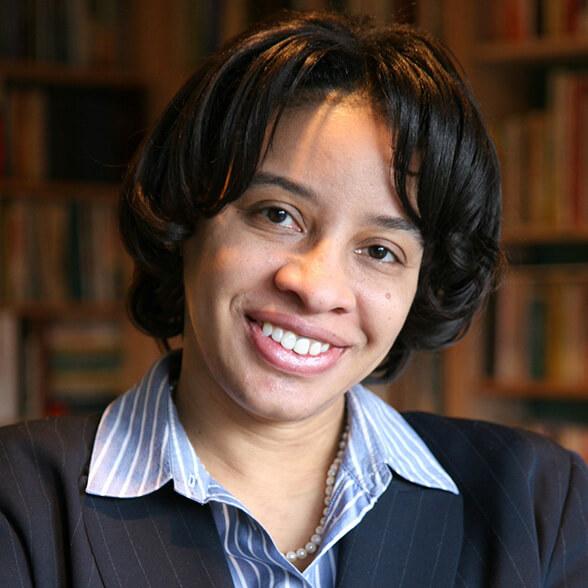
Angela Dillard
Vice Provost
Undergraduate Education
Interim Vice Provost
Access & Opportunity
University of Michigan
Angela D. Dillard is Vice Provost for Undergraduate Education and Interim Vice Provost for Access & Opportunity. Across Undergraduate Education and A&O she works with multiple teams of faculty and professional staff to center the goals of access, opportunity and student success and to ensure that we are doing all we can to lower the institutional barriers to achievement for all students. As Vice Provost and Interim Vice Provost she is specially charged with bringing aspects of the national student academic success movement to Michigan, and is responsible for advancing continual improvements in the educational experience for more than 34,000+ undergraduate students in partnership with undergraduate serving schools and colleges on the Ann Arbor campus.
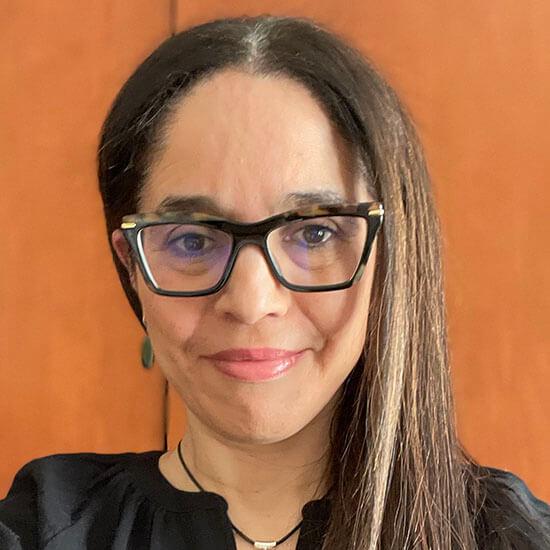
Michelle Ferrez
Assistant Vice Provost
Undergraduate Research & Student Success
Senior Director
UROP | Center for Research, Scholarship and Creative Inquiry
University of Michigan
Dr. Michell Ferrez serves as the Assistant Vice Provost for Undergraduate Research & Student Success, and is the Senior Director of the Undergraduate Research Opportunity Program at the newly formed Center for Research, Scholarship and Creative Inquiry at the University of Michigan. Michelle has over twenty-five years of professional, research, and assessment experience at higher education institutions, including managing multi-institutional NSF grants and the implementation of pipeline, retention, and academic/professional programs for undergraduate and graduate students. Michelle’s primary research interest centers on postsecondary access and success for minoritized women and men in STEM fields, the intersectionality of personal and professional identities in STEM and its relationship to persistence, the culture and climate of the learning context in STEM, and the role of STEM diversity programs in creating educational equity in STEM. She has published in the Journal of Higher Education, Journal of College Student Development, Community College of Journal of Research and Practice, and the Journal of Engineering Education. Dr. Ferrez Chairs the Council of Undergraduate Research At-Large-Division and is Co-Chair of the Scholarship and Practice of Undergraduate Research.
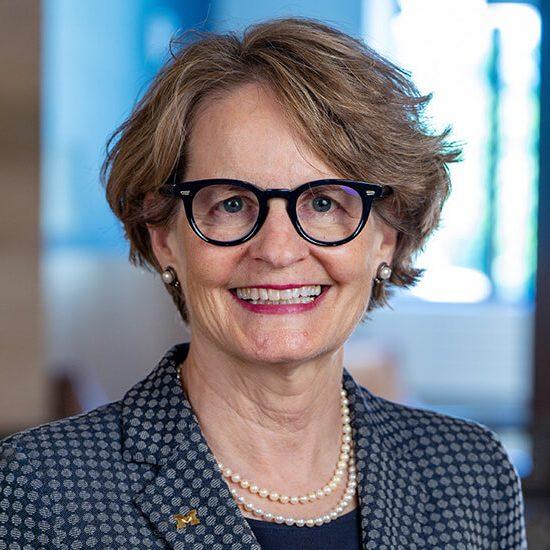
Laurie McCauley
Provost and Executive Vice President
Academic Affairs
University of Michigan
Laurie K. McCauley is Provost and Executive Vice President for Academic Affairs at the University of Michigan, where she oversees the university’s academic and budgetary affairs and helps lead major institutional initiatives including the Look to Michigan strategic vision. A member of the Michigan faculty since 1992, she previously served as Chair of Periodontics and Oral Medicine and as Dean of the School of Dentistry. An internationally recognized researcher and member of the National Academy of Medicine, her leadership has advanced student success, support for those with disabilities, sustainability, accessibility, and faculty mentorship.
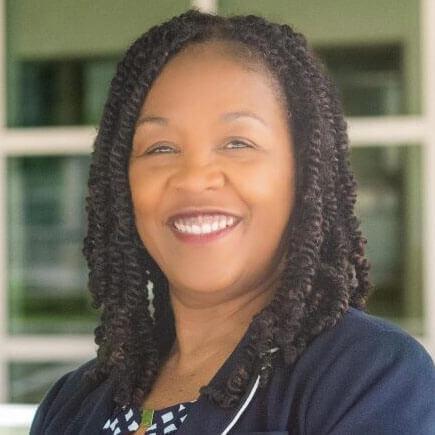
Deborah Willis
Assistant Vice Provost
Access and Opportunity
University of Michigan
Deborah S. Willis, PhD, serves as the Assistant Vice Provost for Access and Opportunity at the University of Michigan. A visionary leader, skilled facilitator, and ICF Professional Certified Coach (PCC), Dr. Willis has dedicated her career to fostering inclusive environments where every community member can thrive. In her current role, she provides strategic leadership for institutional transformation, focusing on building the cross-functional partnerships necessary to move the university toward a culture of true belonging.
Dr. Willis is a recognized expert in faculty, staff, and student development with a track record of launching benchmark initiatives across the institution. Drawing on her background in sociology and transformational leadership coaching, she is deeply committed to addressing systemic barriers and is passionate about shifting the institutional burden toward proactive, universal inclusion. Dr. Willis earned her PhD in Sociology from the University of Michigan and her Executive Certificate in Leadership Coaching from Georgetown University.
Speakers
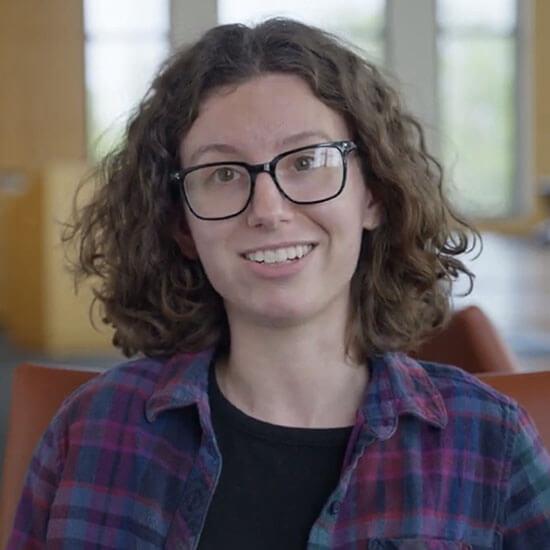
Avery-Ryan Ansbro
Graduate Student
College of Engineering
University of Michigan
Avery Ansbro is a graduate student in the College of Engineering, pursuing a Doctorate of Philosophy degree in Materials Science and Engineering. Avery supported the founding and is the running president of the Autism Spectrum Club at UM. She also volunteers to support the Delian Club as an advisory board member. She is currently working with DAC-HP to found a Disability Mentorship Program at UM.
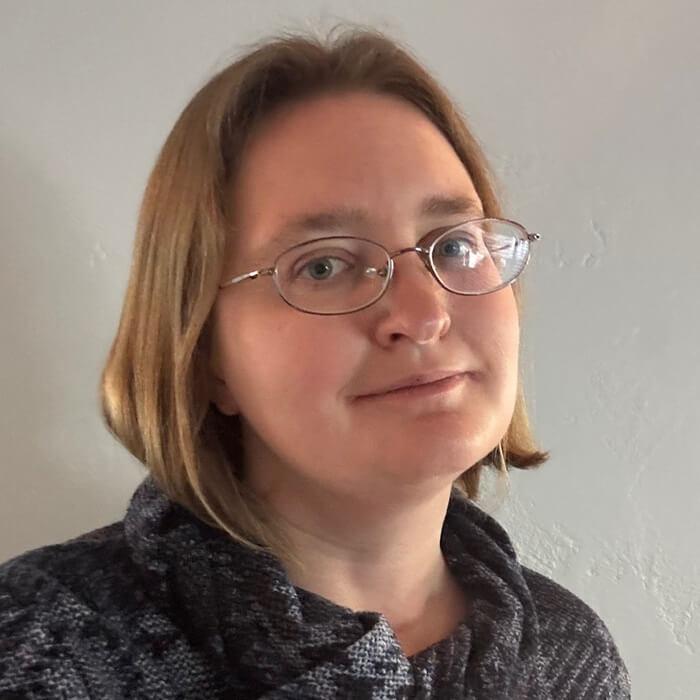
Genna Ashymov
Master of Social Work Candidate
School of Social Work
University of Michigan
Genna Ashymov is a Master of Social Work Candidate at the University of Michigan. Genna is currently working as a research assistant for Dr. Shanna Kattari and is interning with Community Conversations within the School of Social Work. Prior to pursuing the Master of Social Work degree, Genna worked in data and research roles for 12 years. Her previous experience includes working as a systems administrator for the federal AWARE grant at Littleton Public Schools, where she created interactive data visualizations for the district’s social emotional team around issues like disability accommodations, threat assessments, child abuse reports and restorative conferences. Upon graduation, Genna plans to combine her social work knowledge with her background in research and data analysis.
Genna’s research interests include neurodiversity, disability justice, homelessness, domestic violence, and restorative practices. As someone who has ADHD and experienced homelessness, Genna could see how ADHD and homelessness were connected in her own life and wanted to see if there was a connection more broadly. This led to her undertaking the study that led to the research presented at this conference.
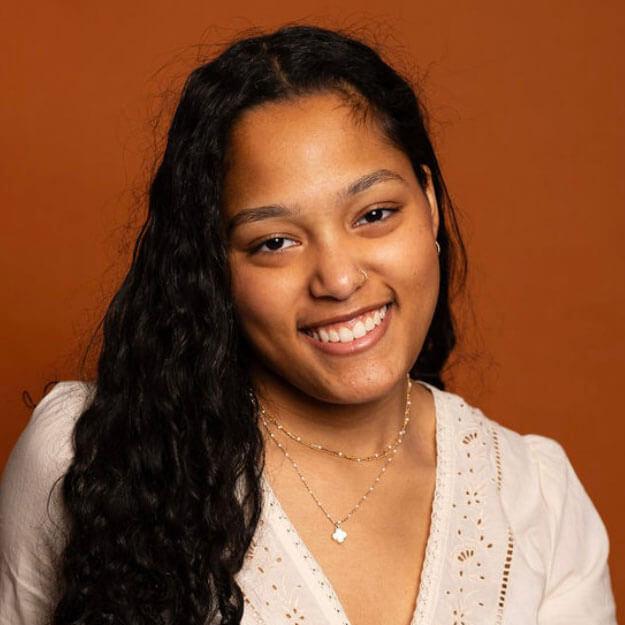
Corrine Baker
Undergraduate Student
College of Literature, Science, and the Arts
University of Michigan
Corrine Baker is a freshman undergraduate student in the College of Literature, Science, and Arts pursuing a Bachelor’s degree in Communications and Media with a focus in health and media. Corrine is an Undergraduate Research Opportunities Program (UROP) student on the Neurodiversity Project team conducting research for neuro-inclusive interviews.

Jeramy Donovan
Assistant Professor of Mathematics Education
University of Michigan-Flint
Jeramy Donovan is an Assistant Professor of Mathematics Education at the University of Michigan-Flint. With a Ph.D. in Mathematics Education, Dr. Donovan focuses on research in learning progressions, inclusive teaching practices, and culturally responsive pedagogy. He has presented his work internationally, including in Germany, India, and the Netherlands, and is actively involved in study abroad programs that enhance preservice teachers’ global competencies. Dr. Donovan’s teaching philosophy centers on bridging theoretical frameworks with practical applications, preparing educators to create equitable and effective mathematics learning environments for diverse classrooms.
Dr. Donovan brings a deeply personal and impactful perspective to his work, informed by his lived experiences as an individual with ADHD and Bipolar I disorder. Diagnosed at the age of 33, he has navigated significant mental health challenges while building a thriving academic career. His openness about his journey, including periods of relapse and recovery, has inspired students and colleagues alike, fostering greater awareness and destigmatization of neurodivergence in education. Dr. Donovan leverages these experiences to advocate for neuro-affirming practices and equitable accommodations for both students and educators.
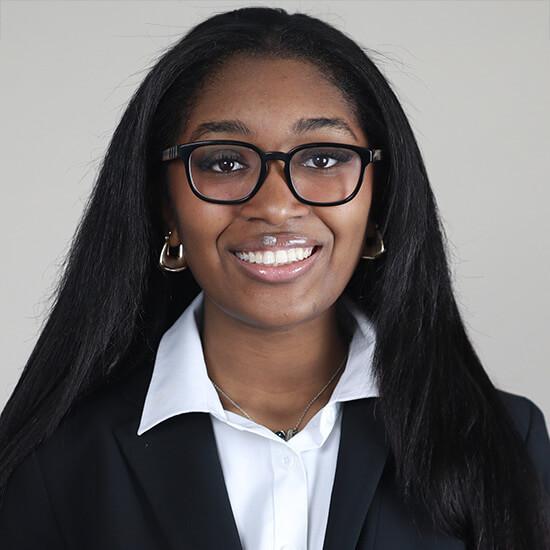
Andréa Eiland
Undergraduate Student
College of Literature, Science, and the Arts
University of Michigan
Andréa Eiland is an undergraduate student in the College of Literature, Science, and the Arts, pursuing a Bachelor of Science degree in Biopsychology, Cognition, and Neuroscience. Andréa is an Undergraduate Research Opportunity Program (UROP) Research Assistant on the Neurodiversity Project team and serves as a liaison for the Neurodiversity Project and the Neurodiversity Alliance chapter at the University of Michigan.
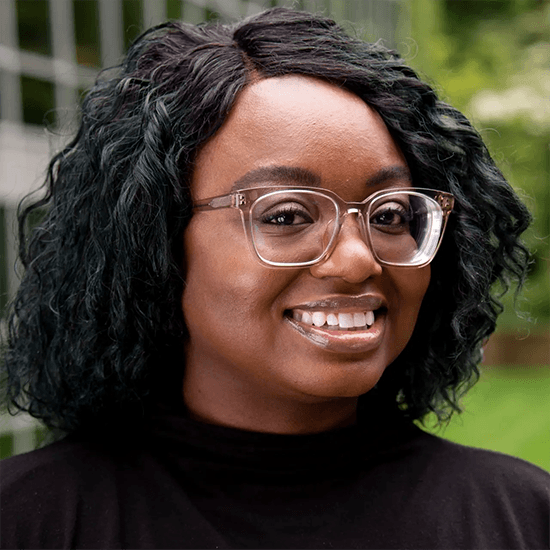
Erica Ervin
Creative Spaces Specialist
Shapiro Design Lab, Undergraduate Library
University of Michigan
Erica Ervin is the Creative Spaces Specialist managing the Shapiro Design Lab in the Undergraduate Library at the University of Michigan. They lead initiatives focused on accessibility, belonging, and community engagement and are passionate about supporting student success and open access. Through traditional, craft, and emerging technologies, they encourage creative exploration and experiential learning for users of all levels.
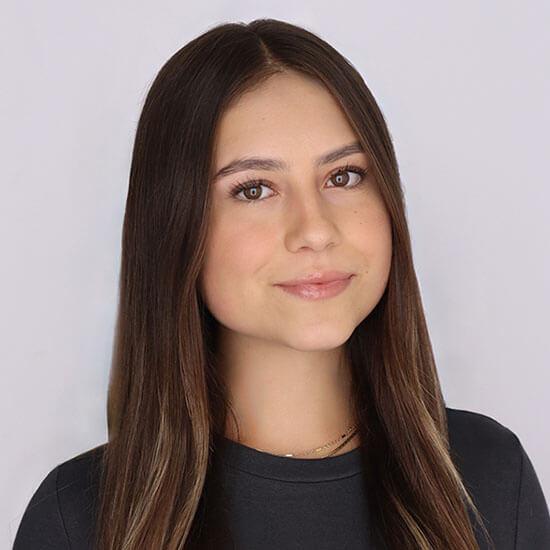
Biella Games
Undergraduate Student
College of Literature, Science, and the Arts
University of Michigan
Biella Games is an undergraduate student in the College of Literature, Science, and the Arts at the University of Michigan, pursuing a Bachelor of Science in Biology, Health, and Society on the pre-dental track, with a minor in Science, Technology, and Society. She is a member of the Undergraduate Research Opportunity Program (UROP) and a research assistant on the Neurodiversity Project.
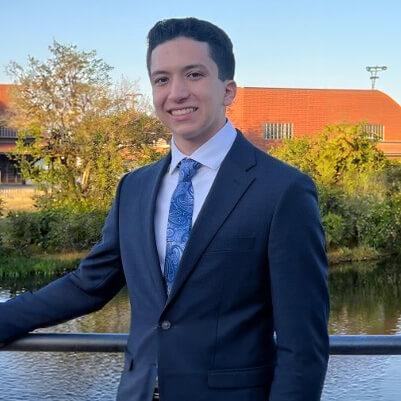
Nicolas Gonzalez
Undergraduate Student
College of Literature, Science, and the Arts
University of Michigan
Nicolas Gonzalez is an undergraduate graduate student in the College of Literature, Science and Arts, pursuing a Bachelor of Science degree in Biopsychology, Cognition and Neuroscience. Nicholas is an Undergraduate Research Opportunities Program (UROP) Research Assistant on the Neurodiversity Project team and the lead liaison for the Neurodiversity Project and Neurodiversity Alliance chapter at UM.
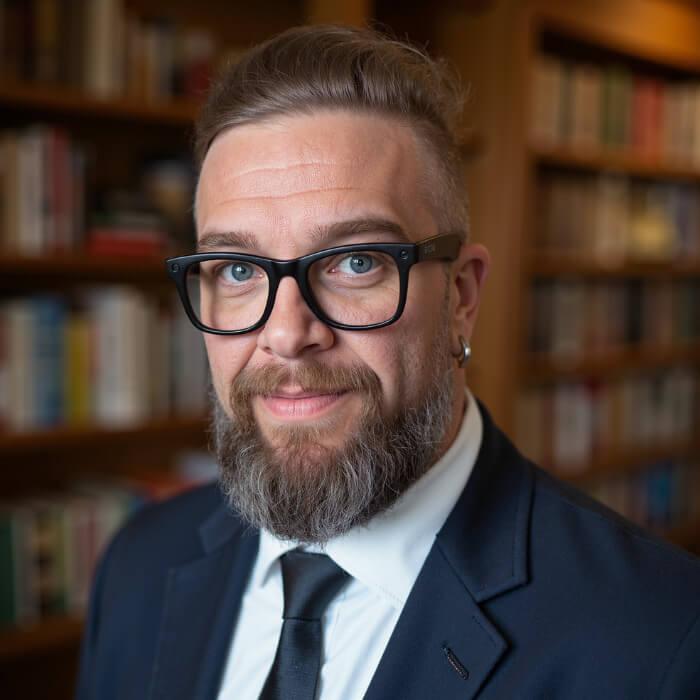
Adam Hazlett
Humanities Professor
Henry Ford College
Dr. Adam Hazlett (“Dutch”) is a Humanities Professor at Henry Ford College. He previously served as Honors Program Director, Department Chair, and Principal Investigator for the Mellon-funded Transfer Bridges to Humanities Grant, a partnership between the University of Michigan and Henry Ford College. An autistic educator, speaker, and nonprofit founder, he advances evidence-informed, neuro-affirming approaches that support regulation, dignity, and belonging through inclusive design and practical, everyday micro-accommodations. His work emphasizes universal design, clear communication, and collaborative problem-solving in classrooms, organizations, and public programs.
He is the founder of the Humanities 101 Foundation, a Michigan nonprofit that strengthens neuroinclusion through public education, community partnerships, and professional learning for schools, workplaces, and civic organizations. He also serves on the board of Self-Advocates of Michigan and the Neurodiversity Coalition of America, helping connect self-advocacy, research, and implementation across sectors.
In Fall 2026, Dr. Hazlett will travel to Central Asia as a Fulbright Specialist, lecturing on American culture and collaborating on curriculum design and faculty development. His articles and media work address workplace accommodations and the convergence of masculinity and autism, translating scholarship into usable strategies that help neurodivergent people thrive without being pressured to mask or minimize their needs.

Hira Jamshed
PhD Candidate
School of Information
University of Michigan
Hira Jamshed is currently a third-year PhD candidate at the School of Information (UMSI) in the University of Michigan, where she works with Dr. Mustafa Naseem and Prof. Robin Brewer in the Accessibility, Health, and Aging (AHA) Lab. Her research focuses on empirical, methodological, and artifact-based contributions toward understanding how people with disabilities or older adults collaborate with AI-based technologies in everyday practices (e.g., searching or learning) — including how these technologies often fail the users. She is inspired by frameworks like ability‑based design and fields like disability studies, which urge reflective and personalised approaches to accessible interactive technologies. Before starting his PhD, she completed his Masters in Human-Computer Interaction (with a focus in Accessibility) from the University of Texas at Austin (UT Austin) and her Bachelors in Computer Science from Lahore University of Management Sciences (LUMS) in Pakistan. She has prior experience in product design and research (see her portfolio), and her publications include work in ACM CHI and ASSETS.
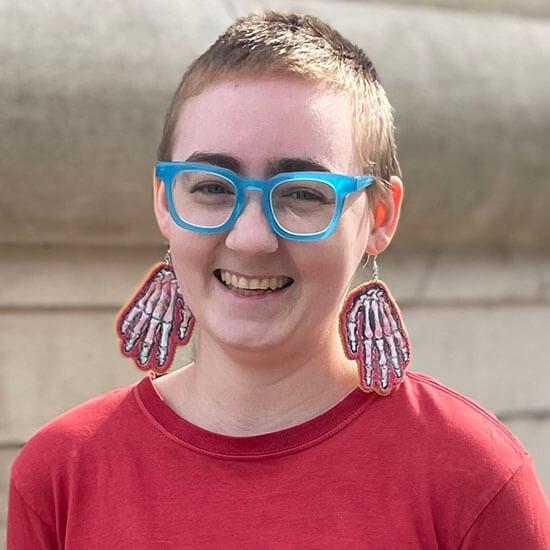
Ezra Landon
Circulation and Access Services Senior Assistant
Library
University of Michigan
Ezra Landon is a Circulation and Access Services Senior Assistant at the University of Michigan Library, as well as a student at Wayne State University working on a Master of Library and Information Science on the Inclusive Excellence pathway. They are passionate about accessibility, sensory inclusion, community engagement, and social justice in librarianship.
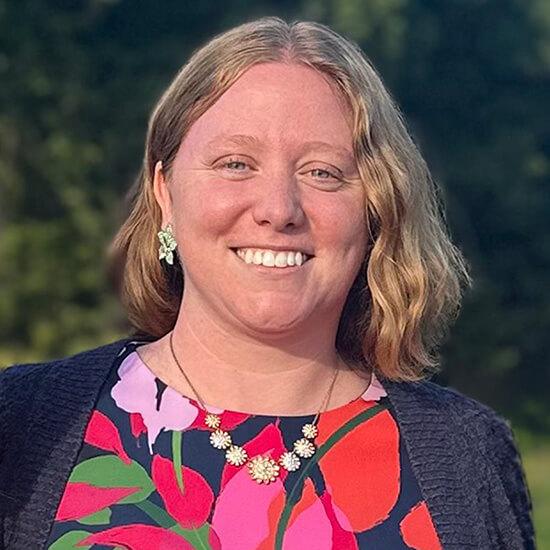
Denise Leyton
Operations Project Manager
College of Literature, Science, and the Arts, Dean’s Office
University of Michigan
Denise Leyton is the Operations Project Manager in the LSA Dean’s Office. Previously she worked for the University of Michigan Library as a Projects Coordinator for the Strategic Planning Team. She started working in libraries in 2008 and worked in different roles in Operations and IT. She uses project management, UX research and service design methods to promote user-centered, values-driven change.
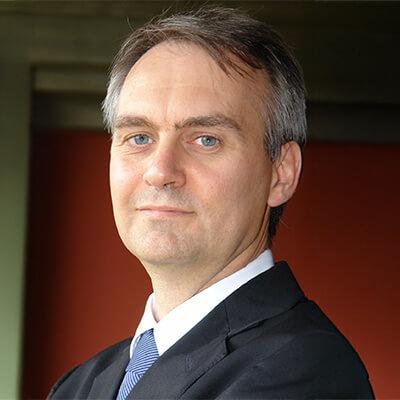
Michael Daniel Metzger
Lecturer
Ross School of Business
University of Michigan
Michael Metzger is a Lecturer on the faculty of the Ross School of Business, where he has taught graduate-level courses in Marketing Management, International Marketing, and International Multidisciplinary Projects throughout Latin America for more than 26 years. Michael has served on the faculty of the top Latin American graduate program in business, INCAE Business School, for nearly 14 years. He has taught Marketing Strategy, Research, Digital Marketing, and Services Marketing at the graduate level in both Spanish and English.
Michael previously worked at a university-industry-government-funded manufacturing Center of Excellence. He also has served as Director of Corporate and Foundation Relations. After completing his PhD, Michael served in university research and technology transfer administration.
Professor Metzger’s dissertation focused on University Technology Transfer and Organized Research Units, resulting in the commercialization of university research via patent and licensing agreements and equity in research-based spin-off startups in which the university would take an equity stake.
Michael was diagnosed at the age of 58 as being on the autism spectrum and credits his autism for his creative and unconventional approaches to business education that have inspired his brilliant students at the University of Michigan.
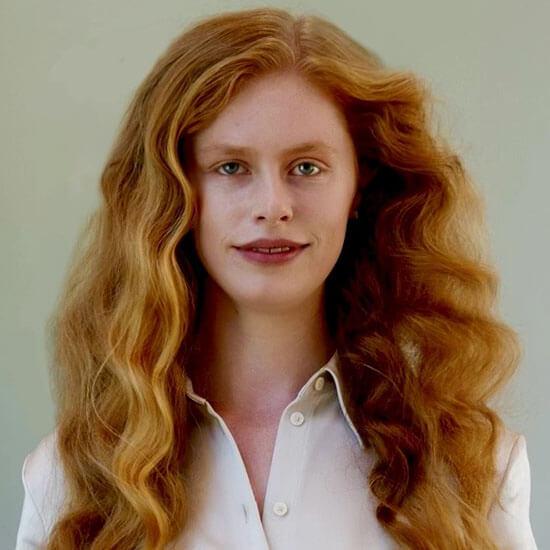
Emma Orfield Johnston
Executive Staff
Orfield Laboratories, Inc.
Emma Orfield Johnston serves on the executive staff of Orfield Laboratories, Inc., the nation’s only independent, multi-sensory design research and consulting firm, internationally recognized as “The Quietest Place on Earth.” Building on the laboratory’s five-decade history of perceptual research and design consulting, she is leading the development of Orfield Therapeutics, a program centered on silence as a multi-sensory condition.
Her current work examines the application of acoustical silence and darkness within the Orfield Anechoic Chamber to cognitive and perceptual disabilities, including autism, dementia, anxiety, PTSD, and sensory-processing disorders, and their potential contributions to therapeutic efficacy, cognitive balance, and psychological well-being.
Alongside the experiential program, she is working on a federal study in partnership with the University of Minnesota and the Minneapolis VA Hospital on the clinical applications of perceptual silence as related to PTSD in veterans. She believes this marks the beginning of silence being recognized as a legitimate medical resource.
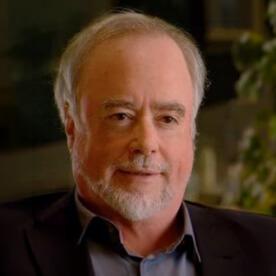
Steve Orfield
Founder and President
Orfield Laboratories, Inc.
Steve Orfield is founder and President of Orfield Labs, the only independent multi-sensory building performance and product development consulting lab in the World, as far as they are aware. Orfield Labs provides services in design, research and testing in the product development and architectural markets, as well as in the environmental field. They consult across the U.S. and in Canada, as well as Europe and Asia. Orfield Labs is known for perceptual and cognitive research, subjective measurement and advanced objective measurement in its fields of practice.
Their goal is to improve architecture and product development with better subjective and objective design research and testing, thus providing better user experience, user perceptual preference and user perceptual comfort.
Over the past 25 years, Orfield Labs has created a practice as the only design research lab to develop multi-sensory design standards for perceptual and cognitive disabilities, such as aging, dementia, autism, mental illness, PTSD, SPD, deafness, blindness, etc. About half of all building occupants have these disabilities, so it now necessary to design buildings that offer support for these disabilities. And these types of perceptually quiet buildings are preferred by neuro-typical (non-disabled) populations also.

Jesse Sanchez
President
The Neurodiversity Alliance
Jesse began his involvement with Eye to Eye in 2010 as a student at the University of California, Berkeley, where he founded and led a chapter of the organization’s flagship mentoring program. His experiences supporting younger neurodivergent students, while navigating ADHD and learning differences himself, shaped his long-standing commitment to neurodiversity advocacy.
After graduation, Jesse served as a Program Coordinator and remained deeply engaged over the next decade through leadership roles including founding the Alumni Board and serving on the Board of Directors. In 2024, he returned full-time to lead The Neurodiversity Alliance and was appointed President in 2025. He brings personal insight, strategic leadership, and a steadfast belief in the brilliance of every neurodivergent individual to his work.
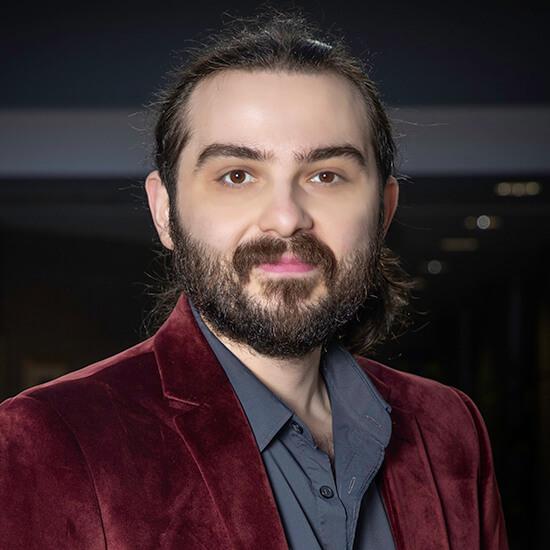
Elvis Veliu
Undergraduate Student
College of Literature, Science, and the Arts
University of Michigan
Elvis Veliu is a junior undergraduate student in the College of Literature, Science, and the Arts at the University of Michigan, double majoring in English and Philosophy. An author and aspiring researcher, he is a fellow in the UROP Research Scholars program, where his work explores the intersections of language, narrative, and human experience.
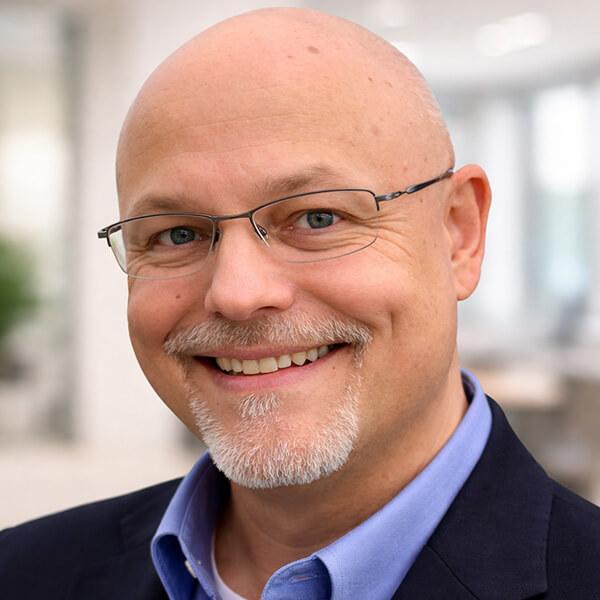
Pete Wendel
Collaborator
Orfield Laboratories, Inc.
Pete Wendel is a collaborator of and serves with Orfield Laboratories, Inc., the nation’s only independent, multi-sensory design research and consulting firm, internationally recognized as “The Quietest Place on Earth.” Building on the laboratory’s five-decade history of perceptual research and design consulting, he works with for and non-profit organizations for strategic Partnerships.
With 20+ years creating impact through human centered design and research, Pete has extensive experience with helping organizations and communities create new futures with people to live, work, and thrive. Pete serves as a catalyst for partners to realize their potential with perceptual research, organizational design, mixed methods research, prototyping (digital, physical, services), and leading synthesis across diverse stakeholders. His past leadership roles include Microsoft, Walgreens, and Whirlpool corporation along with research collaboration with Johns Hopikns, Purdue, Carnegie Mellon, University of Chicago, and Rush Health System.
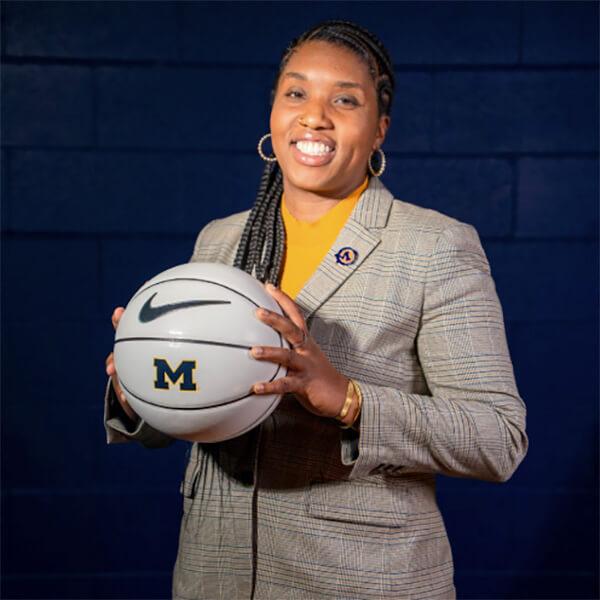
Jessica Wynne
Head Coach
Michigan Wheelchair Basketball, Adaptive Sports & Fitness
University of Michigan
Jessica Wynne is the daughter of Jonathan Wynne and Valerie Tibbs-Wynne. Born in Detroit and educated in Ann Arbor, Jessica grew up a curious child alongside three stellar siblings. She graduated from Ann Arbor Pioneer High School before attending the University of Michigan.
While at Michigan, Jessica was a member of the Varsity Women’s Basketball team and performed in the iconic Michigan Marching Band. She earned a Bachelor of Arts in Psychology with a minor in Native American & Indigenous Studies.
Jessica later joined the New York City Teaching Fellows, earning a Master of Science in Education while teaching middle school in New York City.
She currently serves as the head coach of the University of Michigan Wheelchair Basketball team within the Adaptive Sports & Fitness program. Now in her fifth season, Jessica is committed to expanding opportunities for athletes to thrive, using basketball as a catalyst for personal growth and community cohesion.
Outside of the gym, Jessica lives her dream with her 10 year old twins, travelling the world, playing music, and seeking higher ground.
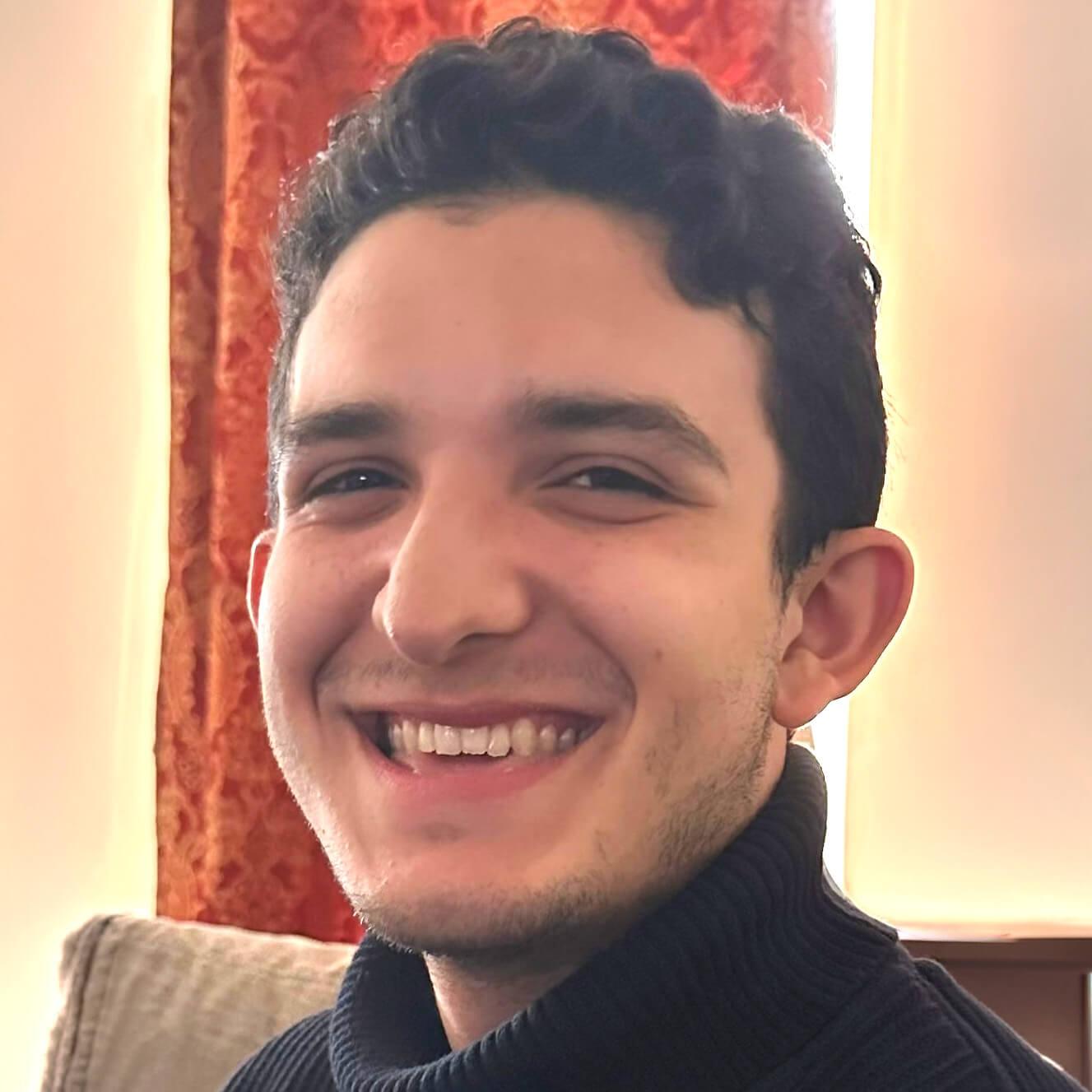
Qais Zalmout
Undergraduate Student
College of Engineering
University of Michigan
Qais Zalmout is a senior in the undergraduate mechanical engineering program in the College of Engineering. Through his life, Qais has navigated struggles related to a lack of resources surrounding and representation for Neurodiverse individuals. Qais’ motivations lie in creating more equitable spaces for members of every community to pursue their passions in productive and meaningful ways.
Committee Members

Sebastian Beckley
Director
Finance & Fellowships
Rackham Graduate School
University of Michigan
Financial Manager
Sebastian Beckley (he/him) is the head of the Finance and Fellowships team at the Rackham School of Graduate Studies, overseeing financial operations and fellowship activities within the school’s budget framework. He values knowledge sharing and mentorship, participating in programs like the Blavin Scholars Program, SummerWorks Youth Employment Program, and UM Neurodiversity Project to extend his guidance beyond his immediate role. Outside of work, Sebastian enjoys gardening, traveling, and exploring diverse cultures and cuisines, which contribute to his personal growth and well-rounded lifestyle.

Tara Engholm
Senior Project Manager
Assistant to Director
Institute for Social Research
University of Michigan
Conference co-Chair
Tara Engholm is a Senior Project Manager in the Director’s Office and Associate Director in the Office of Diversity, Equity and Inclusion (DEI) at the Institute for Social Research (ISR). In these roles, Tara manages ISR-level projects, leads the policy subcommittee responsible for reviewing, updating, and authoring policies, and heads the administrative team within the ISR director’s office. Additionally, she co-leads the DEI office, where she is instrumental in program development and managing the DEI budget. Outside of her professional responsibilities, Tara enjoys baking and traveling, which provide a perfect balance to her dynamic career.
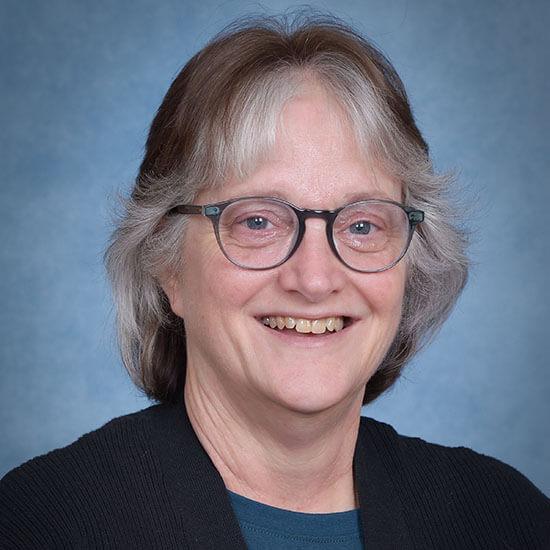
Kathleen Ignatoski
Quality Assurance Specialist – BioSafety
Animal Care & Use Program
Conference co-Chair
Kathy holds a BS in Genetics, an MS in Biology, and a PhD in Cell and Molecular Biology. She has a long history of biomedical research in various diseases but is currently a biosafety quality assurance specialist in the University of Michigan’s Office of Research. Her passion is fairness and inclusion and is a Committee Member on UM’s Beautiful Minds Conference. Her ardor for research and education has facilitated her transition into the research lead for the Neurodiversity Project, the lead community speaker for the Neurodiversity Project’s outreach campaign, and instrumental in the creation of MiHENN, a Michigan chapter of the Higher Education Neurodiversity Network, the first local/regional chapter of the global initiative. Kathy also serves as an MHealthy Champion, a Planet Blue Ambassador, a PEER supporter, and a Mental Health First Aider. In her spare time, she coaches high school girls soccer.
Hira Jamshed
PhD Candidate
School of Information
University of Michigan
Hira Jamshed is currently a third-year PhD candidate at the School of Information (UMSI) in the University of Michigan, where she works with Dr. Mustafa Naseem and Prof. Robin Brewer in the Accessibility, Health, and Aging (AHA) Lab. Her research focuses on empirical, methodological, and artifact-based contributions toward understanding how people with disabilities or older adults collaborate with AI-based technologies in everyday practices (e.g., searching or learning) — including how these technologies often fail the users. She is inspired by frameworks like ability‑based design and fields like disability studies, which urge reflective and personalised approaches to accessible interactive technologies. Before starting his PhD, she completed his Masters in Human-Computer Interaction (with a focus in Accessibility) from the University of Texas at Austin (UT Austin) and her Bachelors in Computer Science from Lahore University of Management Sciences (LUMS) in Pakistan. She has prior experience in product design and research (see her portfolio), and her publications include work in ACM CHI and ASSETS.

Devin Johannis
PhD Student, Higher Education Research
University of Pittsburgh
Devin Johannis is a current Ph.D. student in the Higher Education Research program at the University of Pittsburgh. Prior to pursuing his doctorate degree, he received his Master of Arts in Higher Education Administration from University of Michigan and most recently served as the Professional Development Program Manager for University of Michigan Dearborn’s Office of Career Services. Devin’s research interests are currently focused on career preparedness, professional development, and post-graduate employment outcomes for autistic college students. In addition to pursuing his PhD, Devin’s currently contributes to the development of research on the Postsecondary Education: Autistic Collegians’ Experiences of Success (PEACES) Project with his faculty advisor, Dr. Brett Nachman. Devin remains actively involved in organizations such as the National Association of Colleges and Employers (NACE) where he is the Co-Lead for their Disability Services Affinity Group and University of Michigan’s Neurodiversity Project where he serves as a research mentor for graduate and undergraduate college students.

Chris Laurinec
Parking Ambassador
Parking and Transportation
University of Michigan
As a dedicated volunteer of the Beautiful Minds Conference, as well as a staff member at the University of Michigan, Chris’s primary objective is to enhance the university environment for all staff, students, and faculty. This initiative is driven by my personal commitment to dismantling the stigma surrounding neurodivergence. Through the Beautiful Minds Conference, Chris aims to create a platform where neurodivergent and neurotypical individuals can come together to foster understanding, collaboration, and mutual support.
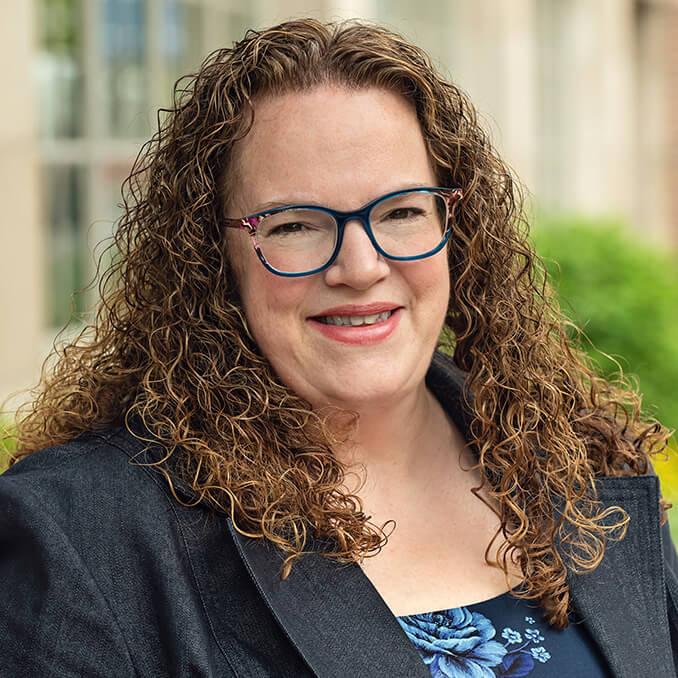
Stephanie Laurinec
Chief Administrator
Department of Women’s and Gender Studies
College of Literature, Science, and the Arts
University of Michigan
Stephanie Laurinec is the Chief Administrator for the University of Michigan, College of Literature, Science, and the Arts (LSA), Department of Women’s and Gender Studies WGS), where she oversees all administrative and academic operations for the department, including department finances, human resources, administrative operations, research administration, and faculty affairs. She has been at U-M for over 24 years. Prior to her role in WGS, Stephanie was the division administrator for the Michigan Medicine, Department of Emergency Medicine’s Division of Critical Care. Stephanie is originally from northwest Indiana and as a first-generation college student received her Bachelor of Science in Biology degree from Purdue University. Throughout her career, Stephanie has been an active volunteer for numerous staff organizations and has served in several leadership roles within Voices of the Staff. Her work with Voices included the creation of the Career Development Fund for Staff and the proposal that led to the personal holiday. She has also served four years as a mentor for the Operation Opportunity Program through Michigan Medicine. She has co-authorship on research publications. Stephanie is passionate about social justice, creating a positive work environment, and advocacy.
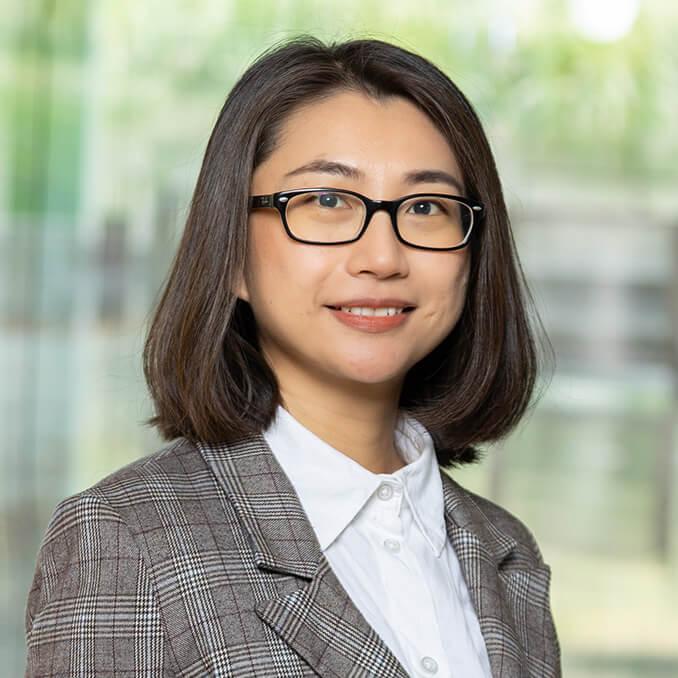
Xiaping Li
PhD Candidate
Engineering Education Research
Xiaping Li is a PhD candidate in Engineering Education Research at the University of Michigan. Her research focuses on the learning experiences of engineering college students, particularly those with attention-deficit/hyperactivity disorder (ADHD). She examines how instructional practices and generative artificial intelligence (GenAI) shape student engagement, learning strategies, and academic outcomes, emphasizing supportive and inclusive instructional approaches.
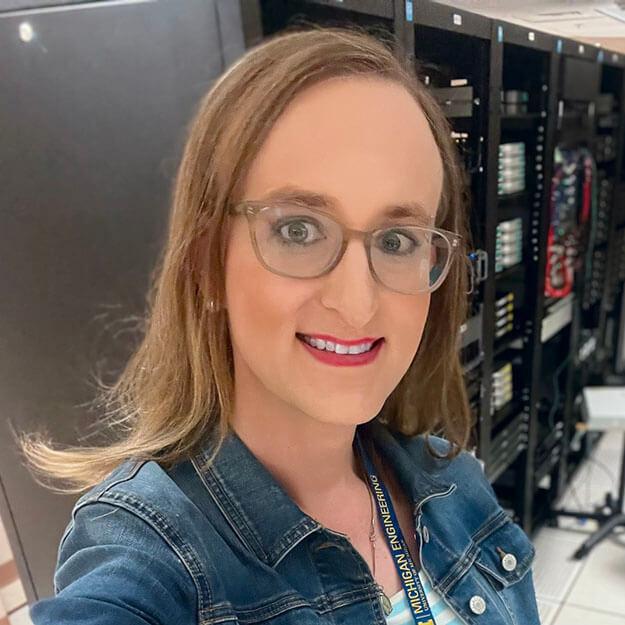
Kylie Grace Mars-Synder
Associate Director of Information & Media Technology
Duderstadt Center
University of Michigan
Kylie Grace Mars‑Snyder is Associate Director of Information & Media Technology at the University of Michigan’s Duderstadt Center. A former recording engineer and systems designer, she bridges creative and technical disciplines—building integrated, human‑centered technology ecosystems that connect studios, classrooms, and data‑driven infrastructures.
Across her career, she has been recognized for blending deep technical knowledge with empathy and design thinking—translating between artists, engineers, and administrators to build systems that serve people first. Whether wiring a studio, architecting cloud integrations, or mentoring the next generation of technologists, Kylie‑Grace remains guided by one principle: technology should listen as well as it speaks.
Michael Daniel Metzger
Lecturer
Ross School of Business
University of Michigan
Michael Metzger is a Lecturer on the faculty of the Ross School of Business, where he has taught graduate-level courses in Marketing Management, International Marketing, and International Multidisciplinary Projects throughout Latin America for more than 26 years. Michael has served on the faculty of the top Latin American graduate program in business, INCAE Business School, for nearly 14 years. He has taught Marketing Strategy, Research, Digital Marketing, and Services Marketing at the graduate level in both Spanish and English.
Michael previously worked at a university-industry-government-funded manufacturing Center of Excellence. He also has served as Director of Corporate and Foundation Relations. After completing his PhD, Michael served in university research and technology transfer administration.
Professor Metzger’s dissertation focused on University Technology Transfer and Organized Research Units, resulting in the commercialization of university research via patent and licensing agreements and equity in research-based spin-off startups in which the university would take an equity stake.
Michael was diagnosed at the age of 58 as being on the autism spectrum and credits his autism for his creative and unconventional approaches to business education that have inspired his brilliant students at the University of Michigan.
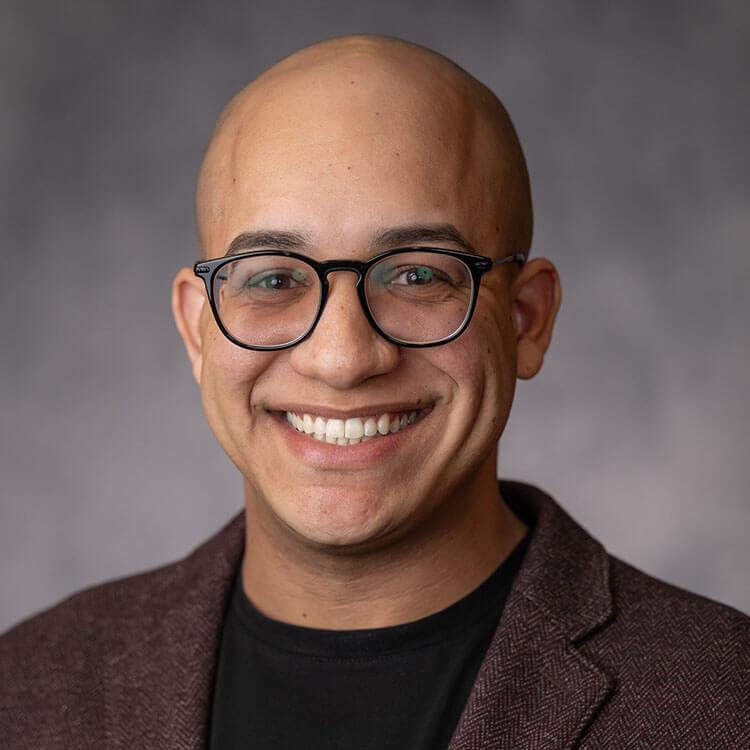
Nolgie Oquendo-Colón
Ph.D. Candidate
Engineering Education Research
Nolgie Oquendo-Colón is a Ph.D. candidate in the Engineering Education Research (EER) program at the University of Michigan. He completed both a B.S. and an M.S. in Industrial Engineering from the University of Puerto Rico at Mayagüez. His research focuses on the academic success of neurodivergent engineering college students, particularly those with attention-deficit/hyperactivity disorder (ADHD), by examining students’ experiences, faculty perceptions, and the role of instructional methods. Nolgie aims to develop inclusive strategies that support neurodiverse learners through an interdisciplinary approach that integrates teaching and learning methodologies and cognitive science.

Madelief Tilder
Sociology Graduate Student
Georgia State University
Madelief Tilder is a Sociology graduate student at Georgia State University whose research centers on disability, housing, criminal justice, and Social Determinants of Health. She serves as a graduate research assistant at Project Healthy Grandparents, a Managing Editor for American Sociological Association’s Journal of World-Systems Research, and as a research associate with the Interdisciplinary Community Research on Disability Lab. She has previously worked at a rehabilitation hospital’s research institute, and on a Mellon Foundation–funded study on disability and healthcare access for immigrants and refugees in metropolitan Atlanta, Georgia.
This past summer, while attending the ICPSR Summer Program, she met Sandy Zalmout, who introduced her to the University of Michigan Neurodiversity Project. As a neurodivergent scholar with experience in qualitative and quantitative disability research, publishing, and editorial work, she was immediately drawn to the lab’s mission and is eager to support ongoing and new projects while contributing her perspective as both a researcher and member of the neurodiverse community.

Sandy Zalmout
Summer Program Business Development Director
Inter-university Consortium for Political and Social Research
Institute for Social Research
University of Michigan
Neurodiversity Project Lead
Conference Chair
Sandy Zalmout is the Business Development Director at ICPSR (Inter-university Consortium for Political and Social Research at the Institute for Social Research (ISR). While Sandy’s primary role focuses cultivating and growing institutional relationships, she is also recognized as a leader in the disability inclusion and accessibility space. She has been a driving force in launching the Beautiful Minds Conference in 2024, and most recently, she has been invited to serve on the Higher Education Neurodiversity Network, and serves as the Lead of the University of Michigan Neurodiversity Project. She also serves as the Vice President for the Women of Color Task Force and is active on a number of advisory committees including the Provost Advisory Committee on Disability Affairs, that focus on accessibility and disability support, cultural transformation and creating environments for opportunity and growth for all communities.
Collaborators
Sally Burton-Hoyle
Professor
Eastern Michigan University
Dr. Sally Burton-Hoyle, sister to a person on the autism spectrum, has served on the Interagency Autism Coordinating Committee (IACC) and the National Quality Forum for PCP Planning and Practices. Sally received her BA in Special Education from Avila University, her M.S. in teaching students with Emotional Disturbance from the University of Kansas and her Ed.D from the University of Idaho in Special Education and Counseling Psychology. Dr. Burton-Hoyle has developed curriculum and trainings in autism and looking at behavior as communication, nationally. She is currently a Professor at Eastern Michigan University where she teaches students who are preparing to work with students with ASD. She also founded the College Supports Program (CSP) and serves as Faculty Advisor to this program which supports college students with ASD. Sally developed this program and it is going into its 15th year at EMU. Sally has focused her life and career on improving the education and lives of people with autism and other challenging behaviors through her consultation and trainings in schools, community and agencies state and nationwide.

Matthew Harrison
Associate Professor
Education Learning Intervention team
University of Melbourne
Associate Professor Matthew Harrison (he/him) is an experienced teacher, researcher and digital creator who is an advocate for utilising technology to support social capacity building, belonging and inclusion in education. He has taught in Australia, South Korea and the United Kingdom at primary, secondary and tertiary levels. Matthew is currently a member of the University of Melbourne Faculty of Education Learning Intervention team, a project lead at the University of Melbourne Neurodiversity Project and co-founder of Next Level Collaboration, the first neurodivergent-led social enterprise to spin out of the University of Melbourne. He was awarded the Dyason Fellowship in 2020, and the GEM Scott Teaching Fellowship and the International Society for Technology in Education ‘Making IT Happen’ award in 2023. Matthew has a lived experience of ADHD which also informs his passion for inclusive education.

Lydia Pinto
Neurodivergent Advocate and Leader
Lydia Pinto is a proud neurodivergent advocate and leader, passionate about creating spaces where neurodivergent individuals feel seen, valued, and empowered. Her passion and advocacy stem from being diagnosed at a young age with Dyslexia, Dyscalculia, ADHD, Auditory Processing Disorder, and Test Anxiety. Drawing from her own lived experience as a neurodivergent woman, Lydia connects deeply with audiences through authenticity, real-life storytelling, and practical tools for change.
Lydia holds both a Bachelor’s and a Master’s degree from East Carolina University, with a focus on accessibility, adaptive recreation, and inclusion. Lydia had the honor of working with Team USA during the 2024 Summer Olympic Paralympic Games. This experience helped expand her global perspective on accessibility and inclusion. Passionate about equity and accessibility for broader communities
.

Christopher Robbins
Founding Collaborator
The Workshop for Community+Collaboration
College of Education
Eastern Michigan University
Christopher’s primary interests include critical theory, cultural studies, and sociology of education with a focus on power and inequality. His earlier and most sustained work considered the ways that processes of criminalization and militarization not only altered the democratic purposes of schooling, but also participated in broader transformations in institutional arrangements relative to racism and racial order. In recent years, he has looked at changes in higher education funding, considering the ways that the push for educational attainment introduces new dynamics to both social class and racial politics. From time to time, Robbins writes in intellectual history. He is currently completing a co-authored book project wherein he is looking at the politics and ethics of mass death (biological, social, and civic) and its implications for democracy, with an eye toward the role of schooling and the place of public pedagogy in opposing the increasing normalization of mass death in the U.S. He is the founding collaborator for The Workshop for Community+Collaboration at Eastern Michigan University’s College of Education.
Organizations and Sponsors

















Mailing List
[ninja_form id=4]